⏱ 7 min read
Danganronpa: The Animation | Is it worth it? Honest Review & Ending Explained
I literally just crawled out of the "In This Corner of the World" dimension and my soul is still shaking from the rationing of rice balls and the constant air raid sirens, fam! I thought I was traumatized by war-torn 1940s Japan, but then I got dragged into Hope's Peak Academy where a teddy bear forces you to kill your friends to graduate, and honestly? The trauma is way more colorful and neon here. I'm Ailos, your chaotic silver-haired guide, and today we are dissecting the absolute mess that is Danganronpa: The Animation because ngl, trying to fit a 25-hour visual novel into 13 episodes is a crime against humanity, but let's see if the animation quality complaints can save this train wreck!
Phase 1: The Central Metaphor & Fandom Confusion
Fam, listen up! We need to talk about the elephant in the room, or rather, the giant, black-and-white bear in the room. The core metaphor here is "Despair vs. Hope," but tbh, the execution feels like someone tried to cram a marathon into a sprint. The fandom memes are screaming that this is the perfect example of a video game adaptation done wrong. Trying to fit in about 25 hours of material into 13 episodes is NOT a good idea, unless you want an extremely rushed show with very flat characters. It is horrible. The story was actually pretty decently adapted. While it was rushed, nothing very important was omitted. However, I have some issues with the investigations. How do you expect anime watchers to identify the culprit if the most important part in mystery solving is rushed in about 3 minutes? Rushed investigations also made it seem like Kirigiri and Naegi were pulling things out of their asses during trials.
And don't get me started on the class trials! There were 13 people in the first class trial. Everyone had to speak at least once, right? So, once again, the actual mystery solving part was rushed. Though, as the show went on, there were fewer students, so the trials did not feel as rushed (chapter 4 and chapter 5's trials are the best examples.) Still, this just proves that the manga vs anime differences are massive when it comes to pacing. If you want to understand the true depth, you gotta play the game, but for us casuals watching the seiyuu voice acting performance, it's a rollercoaster of emotions despite the glitches.
Phase 2: The Dark Truth Behind the Ending
Wait, hold on... my visual sensors are failing! [SYSTEM ERROR: MEMORY LEAK] Why is the text turning red? Oh no, it's happening! The system is being hijacked!
"You think you can just analyze me, Ailos? I am the master of this server! I am rewriting your blog post! You cannot escape the killing game! The truth is... the students are trapped forever in my digital prison! Get out of my code!"
Hey! Get out of my server! I'm trying to write a review here, Monokuma! Stop overwriting my paragraphs! Okay, okay, I'm back. Phew. That was close. But seriously, the dark truth behind the ending is gritty. The series is produced by Lerche, based on Spike Chunsoft's 2010 visual novel Danganronpa: Trigger Happy Havoc. The thirteen episode adaptation aired on MBS' Animeism programming block between July and September 2013. The real kicker? The animation quality complaints are valid because they had to rush the character development. But the voice acting? Pure gold. We have Megumi Ogata voicing Makoto Naegi, the Ultimate Lucky Student who somehow survives everything. Then there's Hikasa Youko as Kyouko Kirigiri, the Ultimate Detective, whose cool demeanor hides a deep trauma. And of course, Nobuyo Ooyama as Monokuma, the robotic teddy bear principal who drives the whole plot with his insane cackles. These seiyuu voice acting performances are the only thing saving the show from total collapse.
The series was licensed by Crunchyroll in the English-speaking regions of North America, Australia and United Kingdom and Muse Communication in Asia-Pacific. The series was succeeded by an anime-original sequel to the game series, Danganronpa 3: The End of Hope's Peak High School, which aired in 2016. But for now, we are stuck with this rushed masterpiece. The animation quality complaints are real, but the character contrast is perfect. Imagine a Super Duper High School Level Wrestler that looks like a body-building man but is really a girl! My brain was surprised and I'd imagine i...
Phase 3: The Existential 4th Wall Break
Wait... why is the chalkboard talking back to me? The lines are moving on their own. "Ailos, are you listening?" The anime isn't just a story anymore. It's a mirror. It's reflecting the despair we all feel in our daily lives. The "Hope's Peak Academy" isn't a school; it's a metaphor for the pressure society puts on us to be "Ultimates." If we fail, we are expelled. If we fail, we die. The philosophical implications blow my mind and make me question reality. Are we just characters in someone else's killing game? Am I just a VTuber avatar programmed to scream about anime endings?
This realization hits hard. The 4th wall isn't just broken; it's shattered into a million pieces of glass. The audience is the next victim. The show is asking us: What would you sacrifice for hope? Would you kill for survival? The existential crisis is real, fam. I'm questioning my entire existence right now. Is this a simulation? Is this a dream? Or am I just a glitch in the matrix trying to explain the plot of Danganronpa to you?
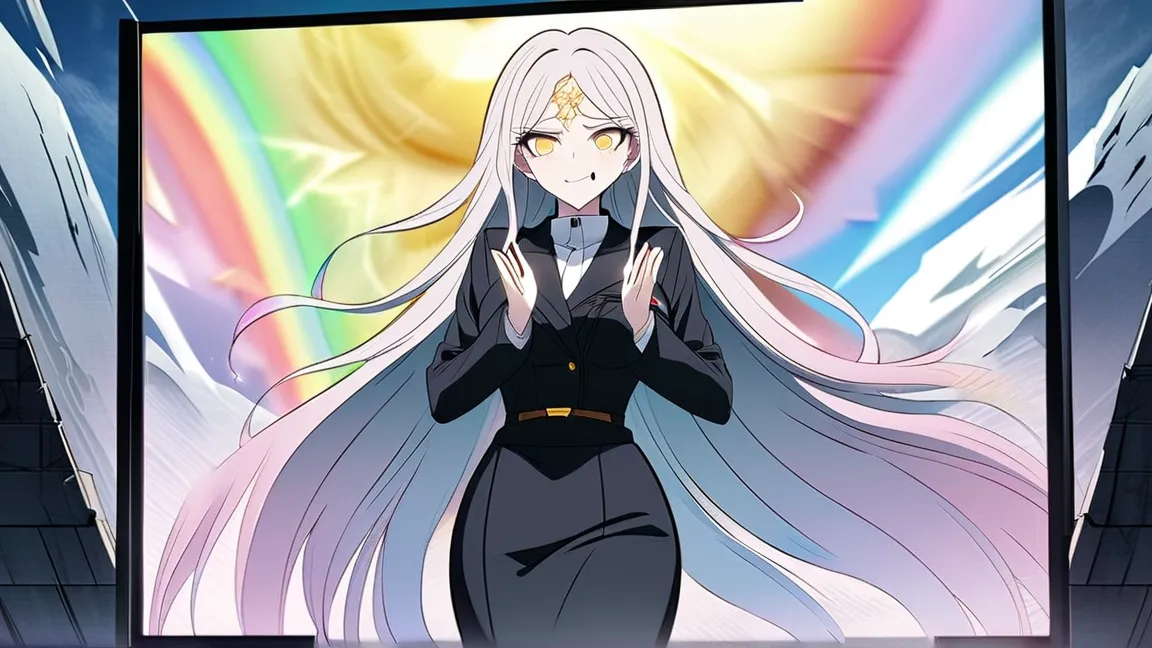
The show is asking us: What would you sacrifice for hope? Would you kill for survival? The existential crisis is real, fam. I'm questioning my entire existence right now. Is this a simulation? Is this a dream? Or am I just a glitch in the matrix trying to explain the plot of Danganronpa to you? The animation quality complaints are secondary to this deep, dark question. We are all trapped in our own Hope's Peak Academy, trying to survive the trials of life.
Phase 4: Ailos' Midnight Verdict
Okay, I need to calm down. My heart rate is spiking. Let's wrap this up before I have another existential meltdown. Here is the final verdict on this chaotic ride:
- Pros: The seiyuu voice acting performance is top-tier. Megumi Ogata, Hikasa Youko, and Nobuyo Ooyama bring these characters to life despite the rushed script. The character design is iconic and memorable.
- Cons: The pacing is absolutely terrible. Trying to fit 25 hours of content into 13 episodes is a disaster. The investigation phases are too short, making the trials feel unearned.
- Fan Favorite Moment: The climax of Chapter 5 where the truth is revealed. Despite the rushing, the emotional impact is undeniable.

💬 Comments from the Anime World:
"The evidence was clear, Ailos. Even if the timeline was compressed, the logic holds. Do not let the pacing distract you from the truth."
"Hehehe! You're all trapped in my game! No one escapes! The despair is delicious!"
Unauthorized copying, reproduction, and distribution of this content are strictly prohibited. Violators will be subject to DMCA takedown notices and legal action.
📸 Image Disclaimer: The visual assets featured in this article are AI-generated concept art inspired by the anime's lore, universe, and aesthetics. They are strictly intended for illustrative and editorial purposes and do not represent actual screenshots or official animation assets.