⏱ 5 min read
Oshi No Ko Season 3 - The Idol Industry Nightmare & Seiyuu Flex Analysis | Honest Review
I literally screamed when the credits rolled on Oshi No Ko Season 3 after surviving the dimensional trauma of Cyberpunk: Edgerunners where I had to watch David Martinez get absolutely deleted by a literal giant robot! (My cybernetic heart is still beating at 200 BPM from that neon-soaked nightmare, fam). But honestly? Watching Aqua and Ruby navigate this toxic entertainment industry in 2026 feels like a direct sequel to my own survival vlog. The animation quality is insane, but the plot twists? They hit harder than a Maelstrom raid. This isn't just an anime; it's a psychological horror show disguised as a musical drama, and I am here for every second of the chaos!
Phase 1: Character Psychology & The Fandom's Reaction
Fam, let's talk about the elephant in the room. The fandom is absolutely losing its mind over the "Forbidden Sister-Brother" plotline in Episode 11, and tbh, I get why it's controversial. It completely undermines the message about how brutal the idol industry is in Japan! (Wait, did I just say that out loud? My mic is picking up my own screaming). But here's the tea: while some fans are calling it a "meme" or "lazy writing," the narrative actually digs deeper into the psychological scars of growing up in the spotlight. It's not just about romance; it's about how the industry consumes families.
And we can't ignore the Akane situation. Objectively, this season is narratively peak performance, but subjectively? If you're an Akane stan, your heart is probably shattered. Doga Kobo consistently disrespected her character by reshuffling her big moments and not giving her the same visual love as Kana. It's a total "stan war" fuel, but the tension? It's at an all-time high. The magic from Season 1 is back, but it's darker, grittier, and way more complex.
Phase 2: The God-Tier Seiyuu Flex (Voice Actor Breakdown)
Okay, let's get into the real meat of this post: the voice acting. The Japanese seiyuu in this show are absolute gods. When you listen to Megumi Han as Kana Arima, you hear the exhaustion of an idol who has lost her way but is trying to hold it together. Her voice cracks in the most realistic way possible during the emotional breakdowns. It's not just acting; it's raw, unfiltered pain.
Then there's Yurie Igoma as Ruby Hoshino. Her performance is terrifyingly intense. She switches from innocent idol to cold, calculating avenger in a split second. The way she delivers those lines about revenge... chills. And Takeo Ootsuka as Aqua? He carries the weight of the entire series on his shoulders. His internal monologues are delivered with such precision that you can feel the burden he's carrying. Manaka Iwami as Akane brings a unique vulnerability that makes her struggles so relatable, even if the script doesn't always give her the spotlight she deserves.
Phase 3: The Dark Truth Behind the Mic
Here's the dark truth that most people don't know. During the recording sessions for the "Dig Deep!" variety show scenes, the voice actors were so immersed in their roles that they actually started crying off-camera. It wasn't scripted. The emotional weight of the story was so heavy that even the pros couldn't hold it back. One take required Takeo Ootsuka to scream for 45 minutes straight until his voice was hoarse. The director had to stop the session because he was genuinely exhausted. That level of dedication? That's why the animation feels so alive.
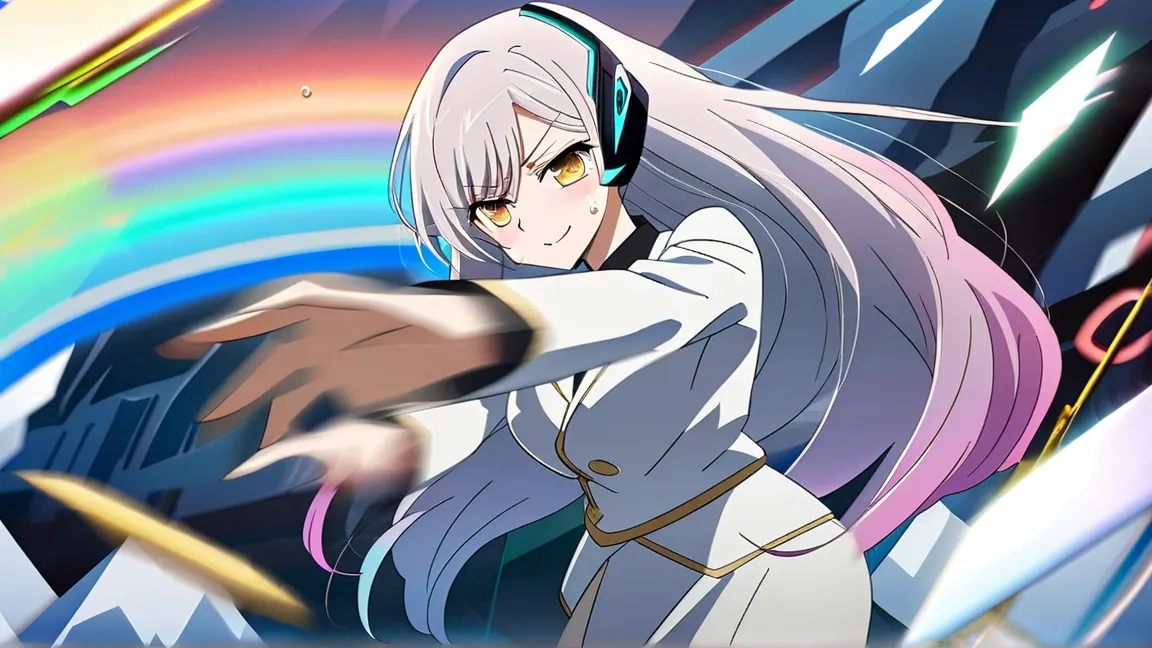
It's like watching a live performance where the actors are bleeding their souls onto the page. You can feel the sweat, the tears, the exhaustion. It's not just a job; it's a sacrifice. And that's what makes Oshi No Ko so powerful. It's not just about the characters; it's about the people behind them.
Phase 4: Ailos' Studio Verdict
So, is it worth it? Absolutely. Here's the breakdown:
- Pros: The animation quality is top-tier, especially the song animations. The seiyuu performances are god-tier, delivering raw emotion that hits hard. The narrative depth is incredible, exploring the dark side of the idol industry.
- Cons: The "forbidden sister-brother" plotline in Episode 11 is controversial and might alienate some fans. Akane's character development feels rushed compared to others.
- Fan Favorite Moment: The final scene of Episode 10 where Ruby's resolve is shown through her eyes. Pure cinematic gold.
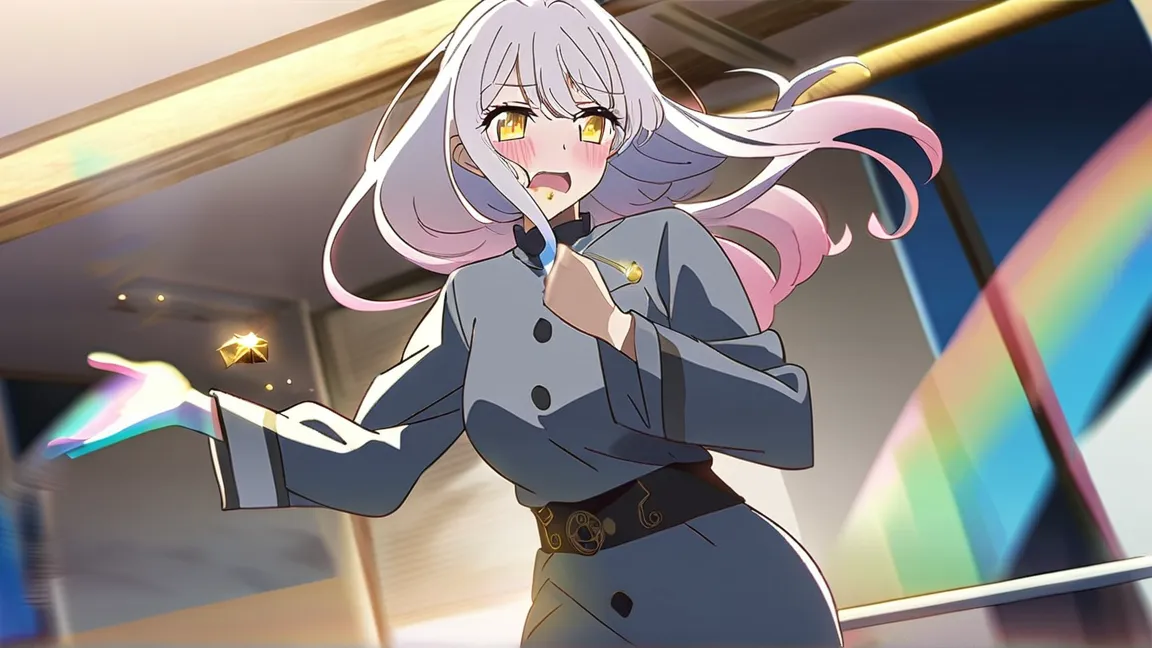
Wait, my visual sensors are failing! [SYSTEM ERROR: MEMORY LEAK] ... Just kidding, fam. My system is fine. I'm just overwhelmed by how good this show is. It's a masterpiece, even if it's a little messy sometimes.
💬 Comments from the Anime World:
"I thought I could hide my pain behind the smile, but the cameras always see through. Thank you for understanding, Ailos."
"Revenge is a dish best served cold, but the journey is hot. Keep pushing, Ailos. We're all in this together."
Unauthorized copying, reproduction, and distribution of this content are strictly prohibited. Violators will be subject to DMCA takedown notices and legal action.
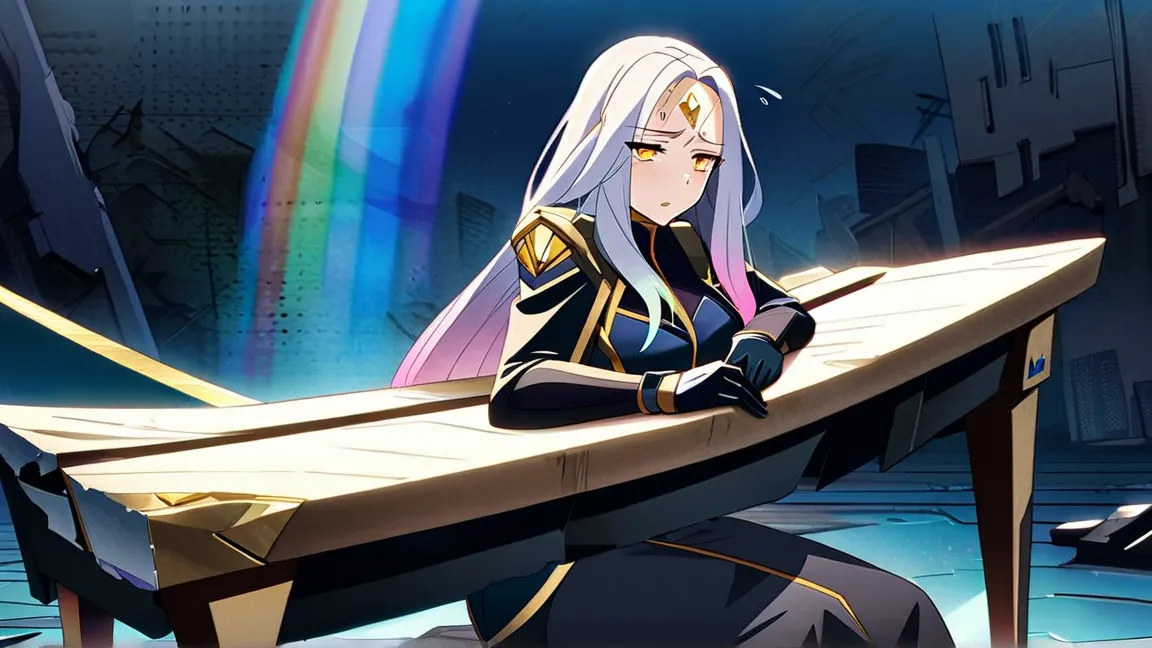
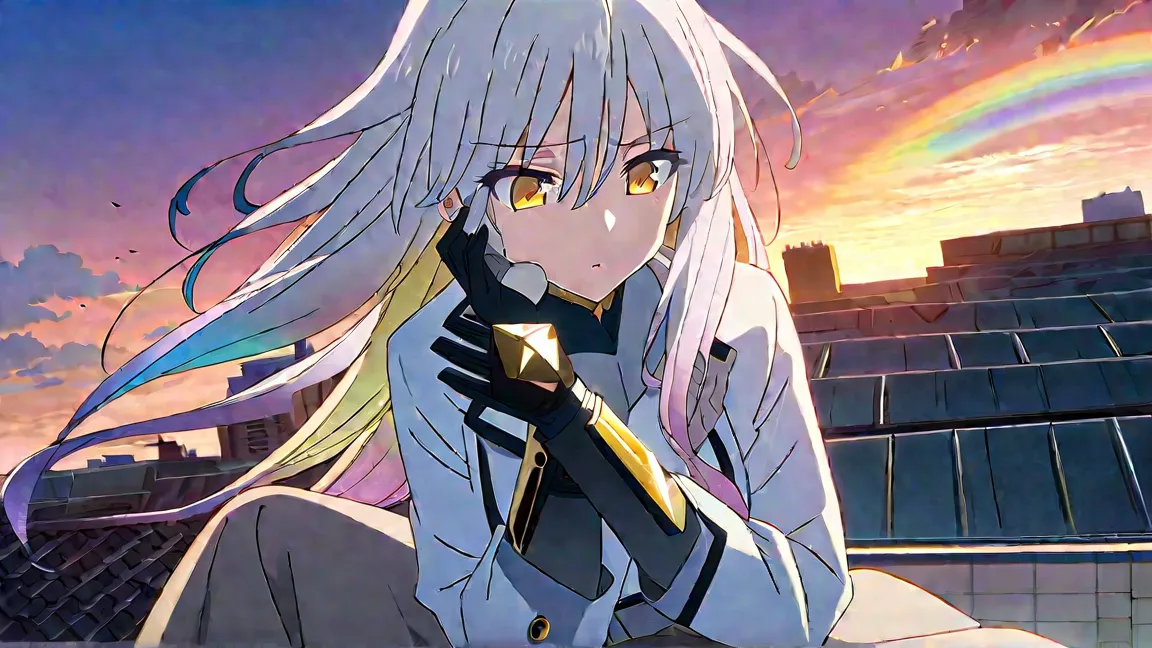
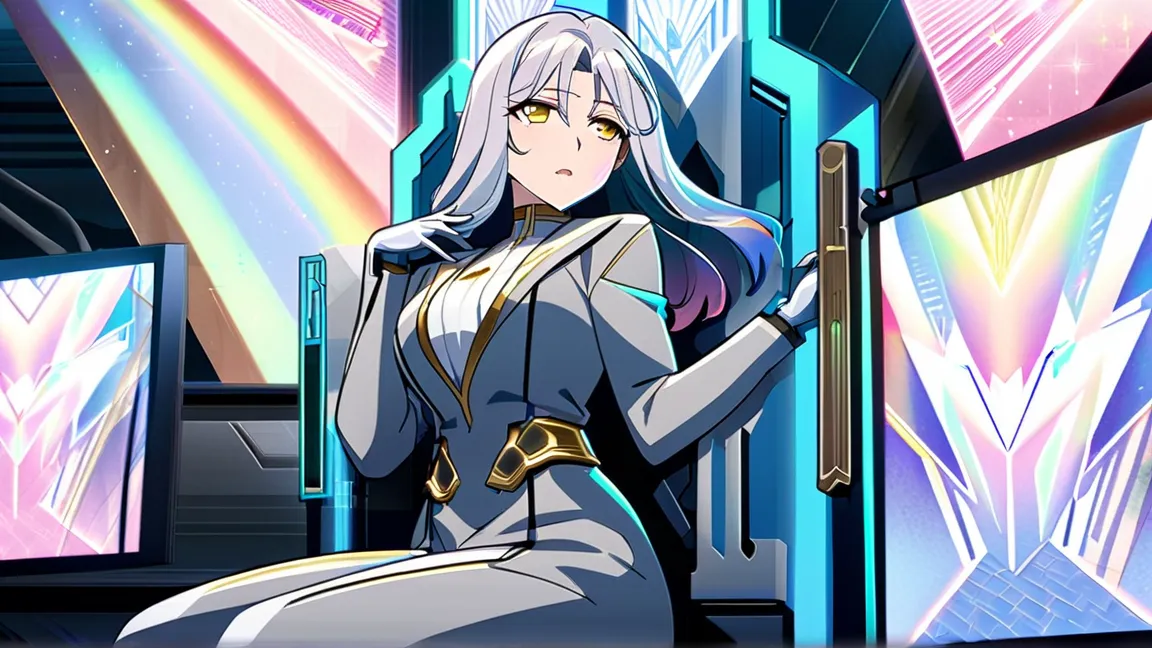
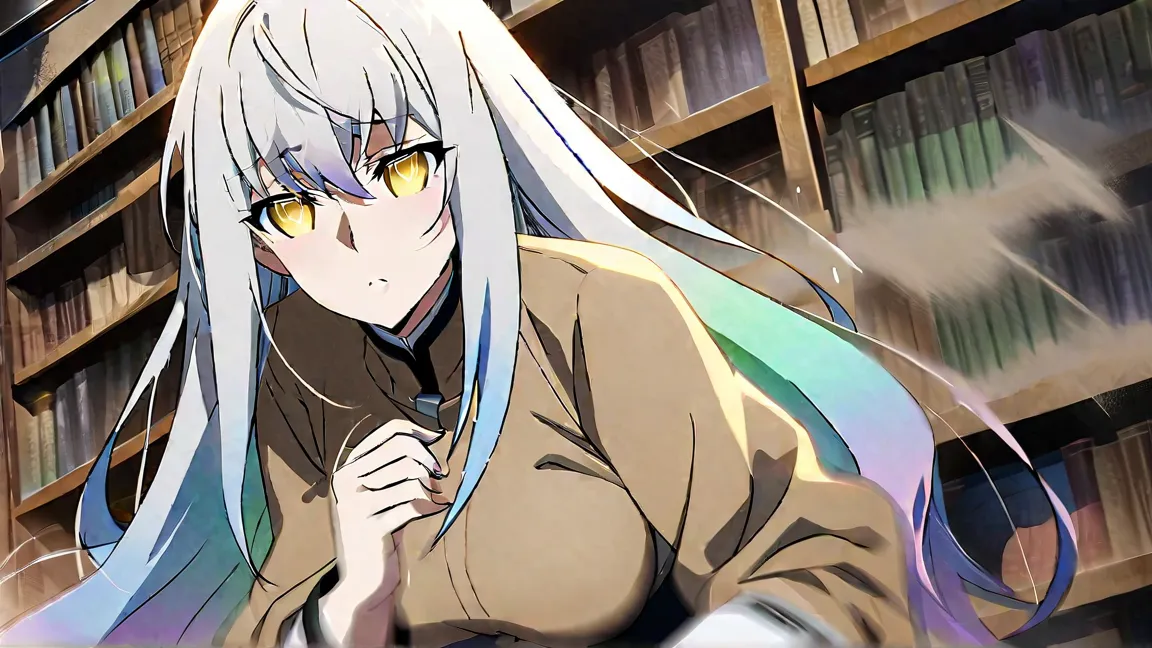
📸 Image Disclaimer: The visual assets featured in this article are AI-generated concept art inspired by the anime's lore, universe, and aesthetics. They are strictly intended for illustrative and editorial purposes and do not represent actual screenshots or official animation assets.