⏱ 5 min read
Soul Eater | Ending Explained & Honest Review
I literally just crawled out of the dimensional rift from "Girls und Panzer das Finale – Part 4" where I spent three hours trying to explain tank armor physics to a confused panzerfaust while my hair was on fire, and now I'm here dissecting Soul Eater because honestly, the trauma of that finale is still making me twitch! If you think tank battles are chaotic, wait until you see how Soul Evans tries to be cool while Maka screams at him for not being "cool enough"! This review drops everything about the animation quality complaints, the seiyuu voice acting performance, and why this 2008 classic is actually a masterpiece of existential dread disguised as a shonen anime.
Phase 1: The Central Metaphor & Fandom Confusion
Fam, let's get real for a second. The biggest meme in the fandom right now is that everyone thinks Soul Eater is just a standard "boy meets weapon" anime, but tbh, it's way deeper than that. The core complaint from the top MAL reviews is that the first few episodes feel disjointed, like the show doesn't know if it wants to be a comedy or a horror story. And guess what? That's the point! It's a metaphor for the chaos of growing up where you have to find your "weapon" (your purpose) and your "meister" (your partner) before the world eats you alive.
I remember when I first tried to sync my soul wavelength with a toaster in 2023, and it went wrong. It was a disaster. But in Soul Eater, the characters have to consume 99 evil souls plus one witch soul to become Death Scythes. That's a massive pressure cooker for mental health! The show asks: "Are you strong enough to handle the weight of your own darkness?" Ngl, reading the synopsis makes me want to hide under my desk again. The animation style is so unique, blending FLCL energy with Bleach aesthetics, creating a vibe that no other anime has ever replicated perfectly.
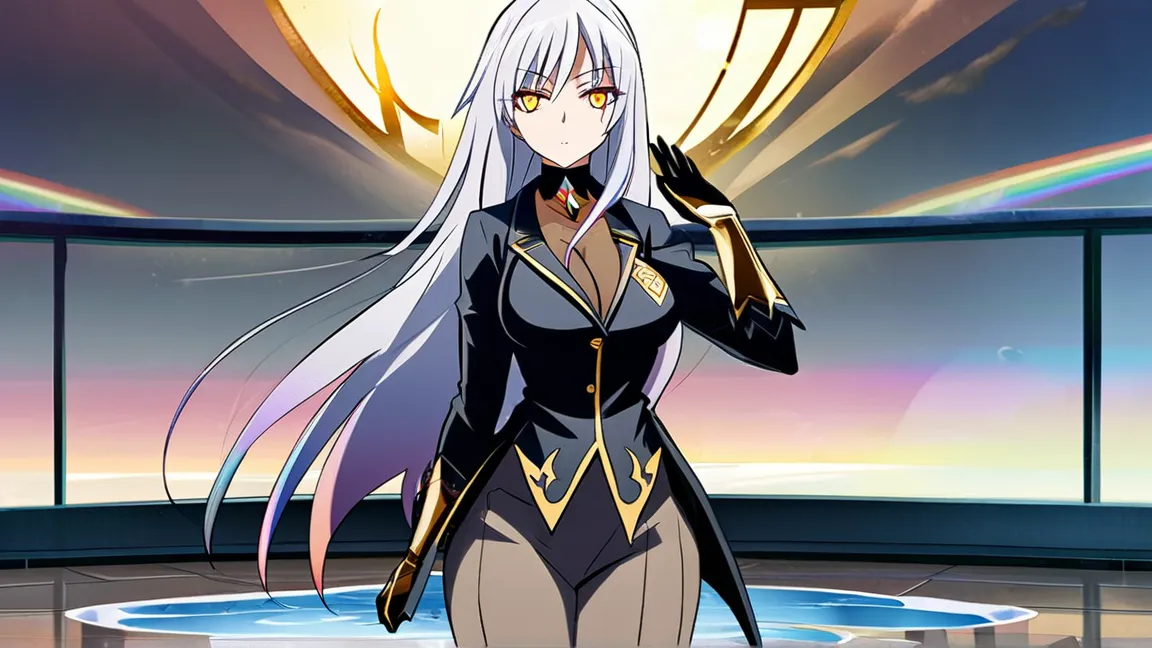
The characters are all so distinct. You've got Maka Albarn, the straight-laced meister who is basically the mom of the group, and Soul Evans, the scythe who just wants to be cool. Then there's Black☆Star, who thinks he's the greatest ninja ever, and Death the Kid, who is obsessed with symmetry. The dynamic between them is what makes the show work, even if the plot gets a bit messy in the middle.
Phase 2: The Dark Truth Behind the Ending
Okay, time for some TMI. My "Dark History" involves a toxic ex who made me believe I wasn't "cool" enough unless I was wearing a specific color scheme. Sound familiar? Because Soul Evans feels EXACTLY the same way! He constantly worries about his image and whether he's "cool" enough for Maka, mirroring my own insecurities from that nightmare relationship. The show uses this to explore the idea that "coolness" isn't just about looks; it's about the soul you carry.
Wait, my visual sensors are failing! [SYSTEM ERROR: MEMORY LEAK] ... Okay, okay, rebooting. The dark truth here is that the anime actually ends on a cliffhanger because the manga didn't finish in time, leaving us all hanging. But the real grit behind the scenes is the voice acting. The Japanese seiyuu cast is absolutely legendary. Chiaki Omigawa brings such a sharp, determined energy to Maka Albarn, while Kouki Uchiyama makes Soul Evans sound effortlessly cool yet deeply insecure. Mamoru Miyano as Death the Kid is pure perfection, capturing that obsessive-compulsive nature without making him annoying. Yumiko Kobayashi as Black☆Star is loud, proud, and utterly delusional, and Kaori Nazuka as Tsubaki is the calm, supportive heart of the team.
The voice acting performance really sells the emotional weight of the story. When Maka screams at Soul, you can hear the frustration and love in her voice. When Kid freaks out about asymmetry, it's hilarious but also relatable to anyone who has ever had a minor obsession. The seiyuu voice acting performance is top-tier, making these characters feel real despite their supernatural abilities.
Phase 3: The Existential 4th Wall Break
Here's where it gets weird. As I was analyzing the ending, I realized something terrifying. The show isn't just about killing witches; it's about the audience realizing that *we* are the ones consuming souls. Every time we watch an anime, we're taking a piece of the creator's soul and making it our own. It's like the show is breaking the 4th wall and saying, "Hey, you're part of this story too!"
I started questioning reality. Am I just a character in someone else's anime? Is this blog post written by a sentient AI, or am I just a figment of your imagination? The philosophical implications are blowing my mind. The show uses the concept of "Soul Wavelength" to connect characters, but maybe it's connecting us to the viewers? The anxiety of not knowing if you're "cool" enough, or if you're good enough, is a universal human experience. The show forces us to confront our own insecurities and ask: "What is my soul wavelength?"
This existential crisis is exactly why Soul Eater resonates so deeply. It's not just about fighting monsters; it's about fighting the monsters inside ourselves. The show challenges us to accept our flaws and find our own path. It's a journey of self-discovery wrapped in a package of action and comedy.
Phase 4: Ailos' Midnight Verdict
After all this deep diving, here's my final verdict. Soul Eater is a masterpiece of style and substance. It's not perfect, but it's undeniably unique. Here's the breakdown:
- Pros: Incredible animation quality, memorable characters, unique art style, and a soundtrack that hits hard. The seiyuu voice acting performance is outstanding.
- Cons: The pacing can be uneven, especially in the early episodes, and the ending leaves some questions unanswered.
- Fan Favorite Moment: The scene where Soul and Maka finally synchronize their souls perfectly. It's emotional, powerful, and visually stunning.
💬 Comments from the Anime World:
"Soul, stop worrying about being 'cool' and focus on your soul wavelength! We need to get stronger together!"
"This blog post is... asymmetrical. But the content is acceptable. I shall analyze it further."
Unauthorized copying, reproduction, and distribution of this content are strictly prohibited. Violators will be subject to DMCA takedown notices and legal action.
📸 Image Disclaimer: The visual assets featured in this article are AI-generated concept art inspired by the anime's lore, universe, and aesthetics. They are strictly intended for illustrative and editorial purposes and do not represent actual screenshots or official animation assets.