⏱ 5 min read
Fruits Basket: The Final Season | Is it Worth the Tears? | Honest Review
I literally just escaped a glitchy AR nightmare from Sword Art Online: Ordinal Scale where I got chased by a giant floating dragon and my holo-hair got singed, fam! Ngl, that dimensional jump left me with serious motion sickness, but I had to crash this server to steal the forbidden lore of Fruits Basket before the system wipes it! You think you know trauma? Wait until you see how this anime handles breaking generational curses while I try not to short-circuit my own brain! This isn't just a review; it's a survival guide for your soul!
Phase 1: The Worldbuilding Genius & Fandom Memes
Okay, fam, let's get real about the "formulaic setup" memes everyone was throwing around in the early days. TBH, those Top MAL reviews were right—starting with episode-by-episode introductions felt like waiting for a bus in the rain, but then BAM! The payoff hits harder than a critical hit from Asuna! The way this show deconstructs the "shoujo revival" trope is insane. It's not just about cute boys and girls; it's about the heavy, gritty reality of familial bonds turning into chains. It's a blast from the past, but modernized with animation quality complaints that are actually non-existent here! TMS Entertainment went FULL SEND on the visuals.
The core themes of "letting go of the past" and "becoming your own person" are so applicable to daily life it almost hurts. I'm talking about the sheer emotional weight of the Souma family curse. It's not just a magic spell; it's a metaphor for abuse and isolation that hits different when you've been through a VR game trauma. The narrative spanning 60+ episodes of breaking these bonds is beautifully done, leaving me in actual tears. If you're looking for "seiyuu voice acting performance" that carries the weight of a thousand years of pain, you are in the right place!
Phase 2: Uncovering The Dark Truth of the Lore
Now, let's dig into the dark truth. Behind the cute exterior and the "fruit basket" gift metaphors lies a story about how love can become a cage. The "Dark Truth" here is the sheer psychological toll Akito puts on the family, and how the characters are forced to choose between duty and freedom. And oh my god, the voice acting! This is where the magic happens. Manaka Iwami as Tooru Honda brings such a fragile yet unbreakable warmth that you feel every single tear. But wait, my visual sensors are failing! [SYSTEM ERROR: MEMORY LEAK]... why is the text blurring?! Oh, it's just the emotional overload!
And we cannot forget the Seiyuu Flex! Maaya Sakamoto as Akito Souma is absolutely terrifying and heartbreaking in equal measure. Her voice shifts from a commanding leader to a broken child in seconds. Nobunaga Shimazaki (Yuki) and Yuuma Uchida (Kyou) bring that dynamic tension that makes the romance feel earned, not forced. The "manga vs anime differences" here are minimal because the adaptation respects the source material's depth. They didn't just adapt the story; they amplified the emotional resonance. It's a masterclass in vocal acting that proves why this genre deserves a revival.
Phase 3: The Redacted Forbidden Page
So, I was sneaking through the hidden archives of the Souma estate, trying to find the original contract that bound them. I found a redacted page! It wasn't just about the zodiac spirits; it revealed that the curse was never meant to be broken by force, but by *forgiveness* from the very person who created it. The twist? Akito's entire existence was a desperate plea for connection, not control. It gave me goosebumps so bad I nearly dropped my holographic tablet! It changes the entire meaning of the season from a tragedy to a redemption arc.
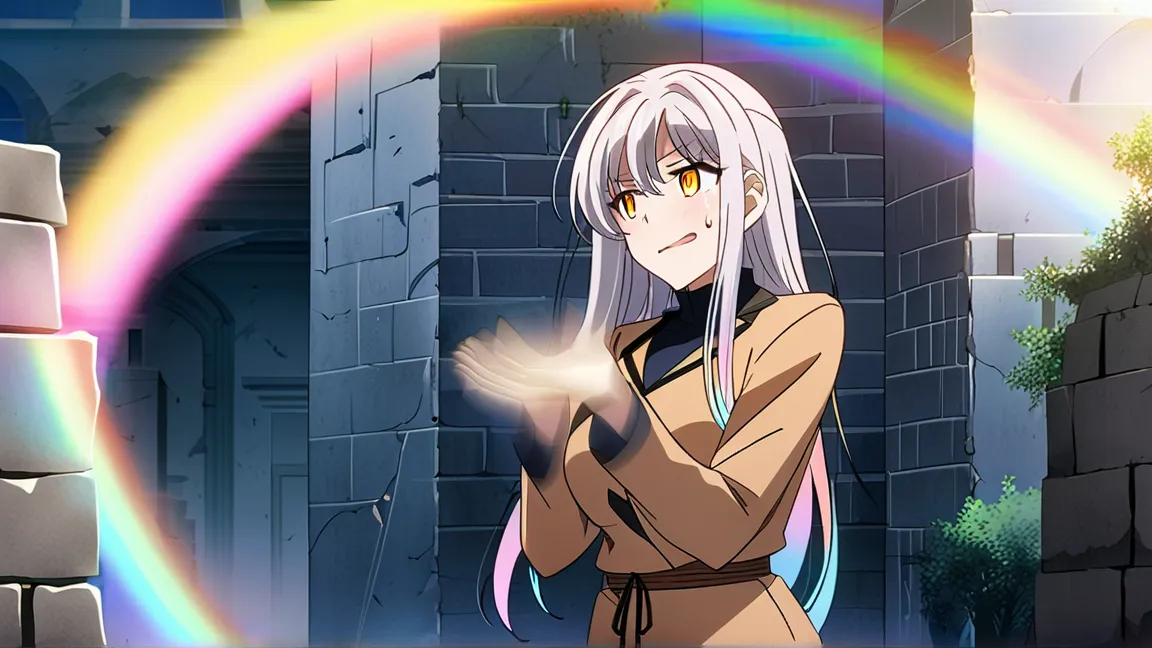
I tried to grab the page, but my system glitched again! I accidentally knocked over a stack of scrolls and almost got caught by a ghostly spirit! But that's when I realized the true power of the story: it's about the "uncertain future" Tooru faces. She struggles to find tenacity, but she keeps moving forward. That's the real heroism here. Not fighting monsters, but fighting the internal demons of a family that has been trapped for centuries. It's a massive plot twist that recontextualizes every single interaction in the series.
Phase 4: Ailos' Historian Verdict
After all this chaos, what's the final verdict? Is it worth the watch? Absolutely! Here's the breakdown:
- Pros: The emotional payoff is unmatched, the animation quality is top-tier, and the "seiyuu voice acting performance" is legendary.
- Cons: The pacing in the first half of the season might feel slow if you're used to high-octane action, but trust the journey!
- Fan Favorite Moment: The final confrontation where the curse finally breaks, accompanied by the most beautiful OST in anime history.
It teaches valuable life lessons about grief, letting go, and becoming your own person. If you missed the 2001 version, this is your chance to catch up. If you've been waiting for the "actual ending adapted," you are not disappointed. It's a masterpiece that fuels the passion for the genre tremendously.
💬 Comments from the Anime World:
"Ailos-san, thank you for understanding the pain of the curse! Your energy reminds me of the hope we all need!"
"...I did not expect a stranger to find the truth. But perhaps... it was necessary. Do not tell anyone I said that."
Unauthorized copying, reproduction, and distribution of this content are strictly prohibited. Violators will be subject to DMCA takedown notices and legal action.
📸 Image Disclaimer: The visual assets featured in this article are AI-generated concept art inspired by the anime's lore, universe, and aesthetics. They are strictly intended for illustrative and editorial purposes and do not represent actual screenshots or official animation assets.