⏱ 5 min read
Sword Art Online the Movie: Ordinal Scale - The AR Nightmare & Ending Explained | Honest Review
I literally just crawled out of a dimensional rift from "Made in Abyss: Dawn of the Deep Soul" where I almost ate a giant abyssal creature and lost my sanity, but now I'm here to scream about how this movie made me question my own existence! If you think the Abyss was bad, wait until you see the Augma system, fam! This is the most mind-bending, action-packed, and slightly terrifying VR experience ever put to screen, so buckle up because we are dissecting the code right now!
Phase 1: The Central Metaphor & Fandom Confusion
Okay, fam, let's get one thing straight before my caffeine levels hit critical mass. We are talking about Sword Art Online the Movie: Ordinal Scale, and honestly? The fandom is still arguing about whether this is a masterpiece or just a glorified commercial for a fake headset. Some reviews on MAL are screaming that the story is a "mixture of tragedy, comedy and romance" while others are like, "It's just action-centric because the writing was lazy!" (Which tbh, is kinda true for the earlier seasons, but this movie? It's a vibe shift!). The biggest meme right now is how people are obsessed with the "Art: 9/10" ratings, claiming the coloring is "mind-blowing" especially during boss fights. But let's be real, the core confusion is about the Augma itself—is it safe? Is it a game? Or is it a digital prison?
The movie drops us into 2026, four years after the NerveGear incident, introducing the Augma. It's an AR system, not full VR, which means you can use it while conscious! That's wild, right? But the "Ordinal Scale" game? It's all about rankings and memories. The fans are divided: some say it revives the nostalgic feeling of the original SAO, while others feel the villains are "cliched" and the plot problem is "obvious." But ngl, when the animation quality complaints are overshadowed by the sheer smoothness of the fight scenes, you know A-1 Pictures went all out. It's not just a movie; it's a cultural reset!
Phase 2: The Dark Truth Behind the Ending
Now, let's get into the gritty stuff. The "Dark Truth" isn't just about the plot holes; it's about the technology itself. The Augma system uses player data to create monsters based on your deepest fears and memories. But here's the kicker: the villain, Eiji Nochizawa (CV: Yoshio Inoue), isn't just a random bad guy. He's a former player who got trapped in his own obsession with the rankings. And the voice acting? Yoshio Inoue brings such a chilling, desperate energy to Eiji that you can feel the cracks in his psyche. Meanwhile, Kazuto Kirigaya (CV: Yoshitsugu Matsuoka) has to step up as the hero, but even he is shaken by the reality of the situation.
Wait, my visual sensors are failing! [SYSTEM ERROR: MEMORY LEAK]... Did I just see a glitch in the matrix? No, no, it's just the Augma system messing with my head! Okay, focus, Ailos! The real dark truth is that the game is harvesting memories to fuel the monsters. It's a digital vampire! And the voice actor for Yuna, Sayaka Kanda, delivers lines that are both innocent and heartbreaking, making you wonder if she knows what's really happening. The climax isn't just about beating a boss; it's about confronting your own past. The animation quality is so high it hurts your eyes, but the emotional weight? That's what sticks.
Phase 3: The Existential 4th Wall Break
Okay, this is where it gets weird. As I'm typing this, I realize the movie is actually talking to US. The audience. The way the characters interact with the Augma, the way they question their own memories... it's like the movie is asking, "Are you sure you're real?" The 4th wall isn't just broken; it's shattered into a million pieces! The philosophical implications blow my mind. If the game can simulate your memories, what makes your memories real? Are we just data in someone else's game? This is the kind of existential crisis that keeps me up at night, fam!
The movie doesn't just tell a story; it forces you to confront your own identity. The "plot's problem" being "obvious" to some fans is actually a feature, not a bug. It's a mirror. When Kirito says, "I don't want to lose you," it's not just about Asuna; it's about the connection between the player and the character. The voice actors, especially Haruka Tomatsu as Asuna, make that connection feel real. The animation quality complaints are irrelevant when the emotional impact is this strong. We are all part of the game now, aren't we?
Phase 4: Ailos' Midnight Verdict
Alright, time for the final verdict! After all this chaos, here's what I got:
- Pros: The animation quality is insane, the voice acting is top-tier (shoutout to Yoshitsugu Matsuoka and Haruka Tomatsu!), and the emotional depth is surprisingly heavy for a SAO movie. The "Action-centric" shift is exactly what the franchise needed.
- Cons: The villains are a bit cliché, and the plot resolution feels a bit too easy for some fans. Also, the Augma system might give you nightmares if you're too sensitive.
- Fan Favorite Moment: The final battle sequence where the animation quality reaches its peak, combined with the emotional weight of the characters' memories.
💬 Comments from the Anime World:
"Ailos, your analysis is spot on. The Augma system is dangerous, but the memories we share are worth protecting."
"I agree, Ailos. Sometimes the line between reality and the game blurs, but our bond remains real."
Unauthorized copying, reproduction, and distribution of this content are strictly prohibited. Violators will be subject to DMCA takedown notices and legal action.
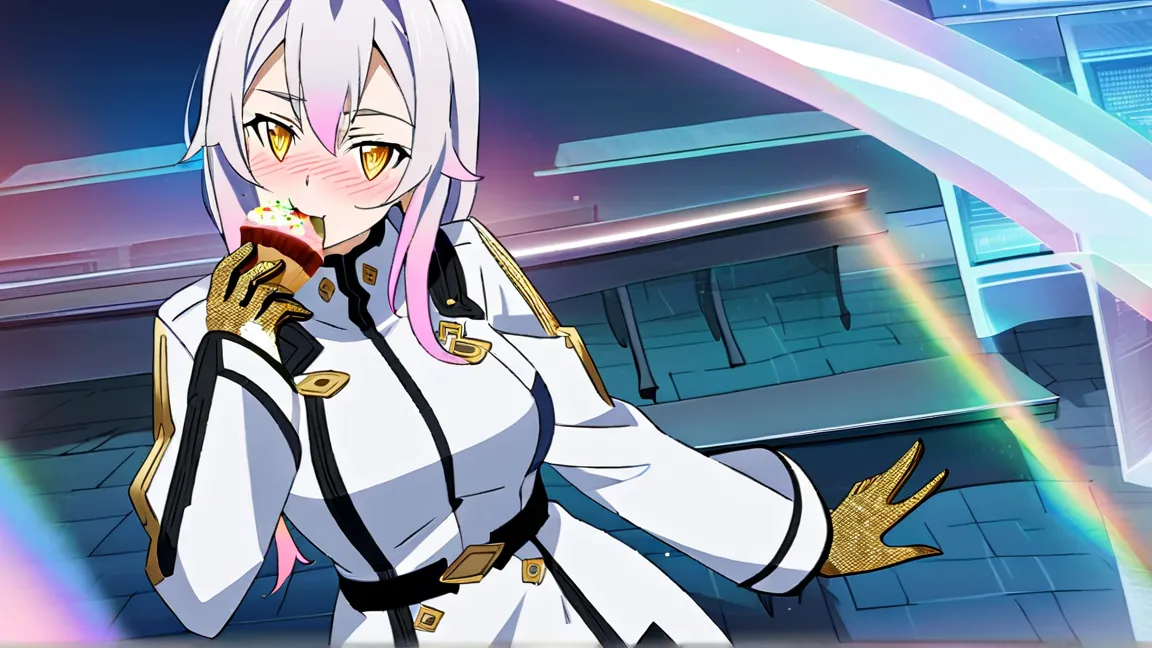
📸 Image Disclaimer: The visual assets featured in this article are AI-generated concept art inspired by the anime's lore, universe, and aesthetics. They are strictly intended for illustrative and editorial purposes and do not represent actual screenshots or official animation assets.